
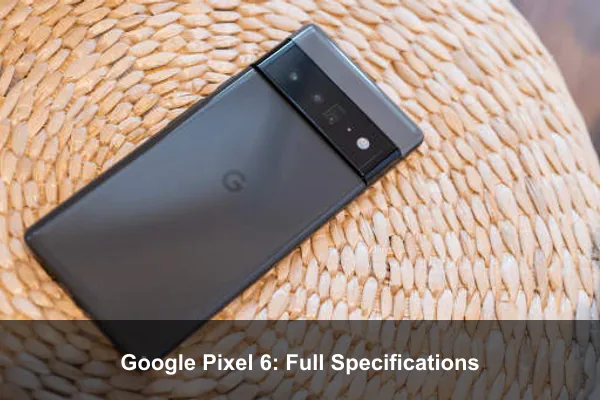
Google Pixel 6 remains one of the most important Pixel generations because it introduced Google Tensor, a refreshed design language, and a major camera jump for the series.
For readers comparing older flagships with newer midrange phones, this guide focuses on real ownership value in 2026: what still feels premium, what has aged, and who should still consider it.
Full Specifications
Network
| Technology: | GSM / CDMA / HSPA / EVDO / LTE / 5G |
| 2G bands: | GSM 850 / 900 / 1800 / 1900 |
| CDMA 800 / 1700 / 1900 | |
| 3G bands: | HSDPA 800 / 850 / 900 / 1700(AWS) / 1900 / 2100 |
| CDMA2000 1xEV-DO | |
| 4G bands: | 1, 2, 3, 4, 5, 7, 8, 12, 13, 14, 17, 18, 19, 20, 25, 26, 28, 29, 30, 32, 38, 39, 40, 41, 42, 46, 48, 66, 71 – GB7N6, G9S9B16 |
| 5G bands: | 1, 2, 3, 5, 7, 8, 12, 14, 20, 25, 28, 30, 38, 40, 41, 48, 66, 71, 77, 78, 257, 258, 260, 261 SA/NSA/Sub6/mmWave – G9S9B |
| 1, 2, 3, 5, 7, 8, 12, 14, 20, 25, 28, 30, 38, 40, 41, 48, 66, 71, 77, 78 SA/NSA/Sub6 – GB7N6 | |
| Speed: | HSPA, LTE (CA), 5G |
Launch
| Announced: | 2021, October 19 |
| Status: | Available. Released 2021, October 28 |
Body
| Dimensions: | 158.6 x 74.8 x 8.9 mm (6.24 x 2.94 x 0.35 in) |
| Weight: | 207 g (7.30 oz) |
| Build: | Glass front (Gorilla Glass Victus), glass back (Gorilla Glass 6), aluminum frame |
| SIM: | Nano-SIM + eSIM |
| IP68 dust tight and water resistant (immersible up to 1.5m for 30 min) |
Display
| Type: | AMOLED, 90Hz, HDR10+ |
| Size: | 6.4 inches, 98.9 cm2 (~83.4% screen-to-body ratio) |
| Resolution: | 1080 x 2400 pixels, 20:9 ratio (~411 ppi density) |
| Protection: | Corning Gorilla Glass Victus |
Platform
| OS: | Android 12, upgradable to Android 15, up to 5 major Android upgrades |
| Chipset: | Google Tensor (5 nm) |
| CPU: | Octa-core (2×2.80 GHz Cortex-X1 & 2×2.25 GHz Cortex-A76 & 4×1.80 GHz Cortex-A55) |
| GPU: | Mali-G78 MP20 |
Memory
| Card slot: | No |
| Internal: | 128GB 8GB RAM, 256GB 8GB RAM |
| UFS 3.1 |
Main Camera
| Dual: | 50 MP, f/1.9, 25mm (wide), 1/1.31″, 1.2µm, dual pixel PDAF, OIS 12 MP, f/2.2, 17mm, 114˚ (ultrawide), 1.25µm |
| Features: | Laser AF, Dual-LED flash, Pixel Shift, Auto-HDR, panorama |
| Video: | 4K@30/60fps, 1080p@30/60/120/240fps; gyro-EIS, OIS |
Selfie camera
| Single: | 8 MP, f/2.0, 24mm (wide), 1.12µm |
| Features: | HDR, panorama |
| Video: | 1080p@30fps |
Sound
| Loudspeaker: | Yes, with stereo speakers |
| 3.5mm jack: | No |
Comms
| WLAN: | Wi-Fi 802.11 a/b/g/n/ac/6e, dual-band, Wi-Fi Direct |
| Bluetooth: | 5.2, A2DP, LE, aptX HD |
| Positioning: | GPS (L1+L5), GLONASS (G1), BDS (B1I+B1c+B2a), GALILEO (E1+E5a), QZSS (L1+L5) |
| NFC: | Yes |
| Radio: | No |
| USB: | USB Type-C 3.1 |
Features
| Sensors: | Fingerprint (under display, optical), accelerometer, gyro, proximity, compass, barometer |
| Circle to Search |
Battery
| Type: | Li-Ion 4614 mAh |
| Charging: | Wired (based on 30W charger), PD3.0, 50% in 30 min 21W wireless Reverse wireless |
Misc
| Colors: | Sorta Seafoam, Kinda Coral, Stormy Black |
| Models: | GB7N6, G9S9B16, G9S9B, GR1YH |
| Price: | € 186.00 / $ 159.98 / £ 107.00 / ₹ 24,999 |
Our Tests
| Performance: | AnTuTu: 676831 (v9) GeekBench: 2899 (v5.1) GFXBench: 57fps (ES 3.1 onscreen) |
| Display: | Contrast ratio: Infinite (nominal) |
| Camera: | Photo / Video |
| Loudspeaker: | -26.9 LUFS (Good) |
| Battery (old): | Endurance rating 86h |
Price and Availability
The Google Pixel 6 offers a compelling combination of features and performance. While the base price is around €186, the actual cost may vary depending on your location and retailer. Below, you’ll find the approximate price of the Google Pixel 6 converted into various currencies. Please note that these are estimates based on recent exchange rates as of April 22, 2026 and may not reflect the exact price you’ll find at a retailer.
- United States: $219
- Japan: ¥34,820
- United Kingdom: £162
- Australia: A$305
- Canada: C$298
- Taiwan: NT$6,880
- Denmark: kr1.388
- Saudi Arabia: ﷼820
- South Korea: ₩322,363
- Germany: €186
- Brazil: R$1.085
- Vietnam: ₫5.704.682
- Kenya: KSh 28,277
- India: ₹20,442
- Indonesia: Rp 3.739.483
- Nigeria: ₦295,637
- Pakistan: ₨60,964
- Philippines: ₱13,104
- Bangladesh: ৳২৬,৮২১
Value in 2026: Flagship Hardware at a Lower Entry Cost
At its current market pricing, Pixel 6 sits in an interesting zone where you get former-flagship materials, IP68 protection, wireless charging, and strong core camera hardware for far less than a new premium phone. The tradeoff is that it is no longer a current-generation performance leader, so value depends on priorities: camera and software experience over raw benchmark dominance.
Design and Build Quality
The phone still feels premium with a Gorilla Glass Victus front, Gorilla Glass 6 back, and aluminum frame. At 207 g, it is not lightweight, but the in-hand feel is solid and reassuring. The Nano-SIM plus eSIM setup also keeps it practical for users who travel or separate work and personal lines.
Display Experience
The 6.4-inch AMOLED panel with 90Hz refresh rate and HDR10+ support remains comfortable for daily use, streaming, and scrolling. It does not chase ultra-high refresh figures, but color, contrast, and clarity are still competitive for users who prioritize visual quality over spec-sheet extremes.
Performance and Daily Responsiveness
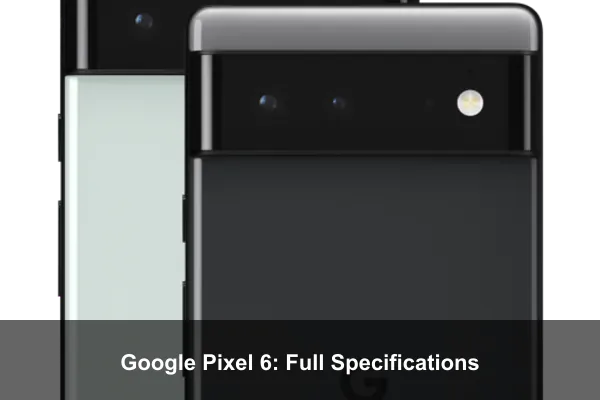
Google Tensor (5 nm) delivers smooth day-to-day operation for social apps, navigation, productivity, and most games at sensible settings. In current terms, it is better viewed as a balanced chip tuned for Google features and imaging workloads rather than a pure gaming-first platform.
Camera Strengths and Limits
The 50MP main camera with OIS is still the headline feature, producing reliable detail and dynamic range in varied lighting. The 12MP ultrawide helps with versatility, while 4K up to 60fps and stabilized recording remain relevant for casual creators. The selfie camera is serviceable but less standout versus newer devices focused on front-camera upgrades.
Battery and Charging Practicality
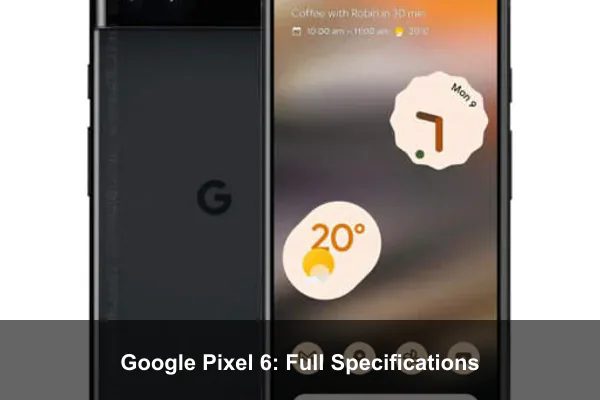
The 4614 mAh battery is paired with wired and wireless charging, plus reverse wireless charging for accessories. Endurance is generally suitable for a full day with moderate use, though modern efficiency gains in newer chips can outperform it under heavy workloads.
Software Longevity and Pixel Features
A major reason to consider Pixel 6 is software maturity: Android upgrades through newer versions and Google-exclusive conveniences such as Circle to Search. The clean Pixel interface and long-term update path help the device age better than many similarly priced alternatives.
Connectivity and Network Flexibility
Pixel 6 offers broad 4G/5G support, Wi-Fi 6E, Bluetooth 5.2 with aptX HD, NFC, and multi-system dual-frequency positioning support. This makes it a strong option for users who need reliable modern connectivity, including compatibility across many regions and operators.
Who Should Buy the Google Pixel 6 Today?
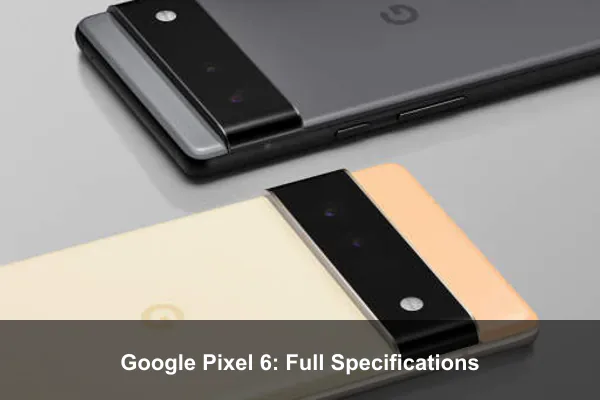
It fits buyers who want a premium-feeling Google phone with strong rear cameras, practical flagship features, and a polished software experience at a lower budget. Users who need top-tier gaming power, faster modern charging standards, or a stronger selfie stack may prefer newer alternatives.
Conclusion
Google Pixel 6 is still a smart buy for value-focused users who prioritize camera quality, clean Android, and flagship-grade build over cutting-edge performance. If those are your priorities, it remains easy to recommend.
