
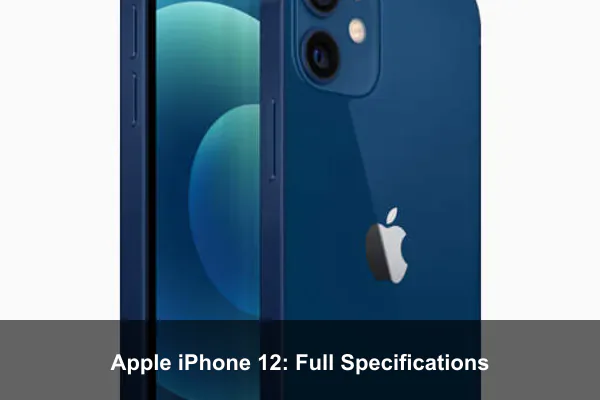
The Apple iPhone 12 arrived in October 2020 as the device that pushed 5G into the mainstream of Apple’s lineup, pairing a flat-edged aluminium design with the powerful A14 Bionic chip. Years on, it remains one of the most compelling value picks in the used and refurbished market, offering a premium build, a sharp OLED panel and long-term software support at a fraction of its launch cost.
This article looks at the iPhone 12 from a buyer’s perspective in today’s market, weighing what still holds up, where the compromises show and who gets the most out of a 6.1-inch Apple flagship that now sells for entry-level money. The headline reference price sits around $193 / €239, making it a genuine bargain among iPhones.
Full Specifications
Network
| Technology: | GSM / CDMA / HSPA / EVDO / LTE / 5G |
| 2G bands: | GSM 850 / 900 / 1800 / 1900 |
| CDMA 800 / 1900 | |
| 3G bands: | HSDPA 850 / 900 / 1700(AWS) / 1900 / 2100 |
| CDMA2000 1xEV-DO | |
| 4G bands: | 1, 2, 3, 4, 5, 7, 8, 12, 13, 14, 17, 18, 19, 20, 25, 26, 28, 29, 30, 32, 34, 38, 39, 40, 41, 42, 46, 48, 66, 71 – A2172 |
| 1, 2, 3, 4, 5, 7, 8, 12, 13, 17, 18, 19, 20, 25, 26, 28, 30, 32, 34, 38, 39, 40, 41, 42, 46, 48, 66 – A2403, A2404 | |
| 1, 2, 3, 4, 5, 7, 8, 12, 13, 14, 17, 18, 19, 20, 21, 25, 26, 28, 29, 30, 32, 34, 38, 39, 40, 41, 42, 46, 48, 66, 71 – A2402 | |
| 5G bands: | 1, 2, 3, 5, 7, 8, 12, 20, 25, 28, 38, 40, 41, 66, 71, 77, 78, 79, 260, 261 Sub6/mmWave – A2172 |
| 1, 2, 3, 5, 7, 8, 12, 20, 25, 28, 38, 40, 41, 66, 77, 78, 79 Sub6 – A2402, A2403, A2404 | |
| Speed: | HSPA, LTE, 5G, EV-DO Rev.A 3.1 Mbps |
Launch
| Announced: | 2020, October 13 |
| Status: | Available. Released 2020, October 23 |
Body
| Dimensions: | 146.7 x 71.5 x 7.4 mm (5.78 x 2.81 x 0.29 in) |
| Weight: | 164 g (5.78 oz) |
| Build: | Glass front, glass back, aluminum frame |
| SIM: | Nano-SIM + eSIMNano-SIM + Nano-SIM (China) |
| IP68 dust tight and water resistant (immersible up to 6m for 30 min) Apple Pay (Visa, MasterCard, AMEX certified) |
Display
| Type: | Super Retina XDR OLED, HDR10, Dolby Vision, 625 nits (HBM), 1200 nits (peak) |
| Size: | 6.1 inches, 90.2 cm2 (~86.0% screen-to-body ratio) |
| Resolution: | 1170 x 2532 pixels, 19.5:9 ratio (~460 ppi density) |
| Protection: | Ceramic Shield glass |
Platform
| OS: | iOS 14.1, upgradable to iOS 18.6 |
| Chipset: | Apple A14 Bionic (5 nm) |
| CPU: | Hexa-core (2×3.1 GHz Firestorm + 4×1.8 GHz Icestorm) |
| GPU: | Apple GPU (4-core graphics) |
Memory
| Card slot: | No |
| Internal: | 64GB 4GB RAM, 128GB 4GB RAM, 256GB 4GB RAM |
| NVMe |
Main Camera
| Dual: | 12 MP, f/1.6, 26mm (wide), 1.4µm, dual pixel PDAF, OIS 12 MP, f/2.4, 13mm, 120˚ (ultrawide), 1/3.6″ |
| Features: | Dual-LED dual-tone flash, HDR (photo/panorama) |
| Video: | 4K@24/25/30/60fps, 1080p@25/30/60/120/240fps, HDR, Dolby Vision HDR (up to 30fps), stereo sound rec. |
Selfie camera
| Single: | 12 MP, f/2.2, 23mm (wide), 1/3.6″, 1.0µm SL 3D, (depth/biometrics sensor) |
| Features: | HDR |
| Video: | 4K@24/25/30/60fps, 1080p@25/30/60/120fps, gyro-EIS |
Sound
| Loudspeaker: | Yes, with stereo speakers |
| 3.5mm jack: | No |
Comms
| WLAN: | Wi-Fi 802.11 a/b/g/n/ac/6, dual-band, hotspot |
| Bluetooth: | 5.0, A2DP, LE |
| Positioning: | GPS, GLONASS, GALILEO, QZSS |
| NFC: | Yes |
| Radio: | No |
| USB: | Lightning, USB 2.0 |
Features
| Sensors: | Face ID, accelerometer, gyro, proximity, compass, barometer |
| Ultra Wideband (UWB) support |
Battery
| Type: | Li-Ion 2815 mAh (10.78 Wh) |
| Charging: | Wired, PD2.0, 50% in 30 min 15W wireless (MagSafe) 15W wireless (Qi2) – requires iOS 17.4 update |
Misc
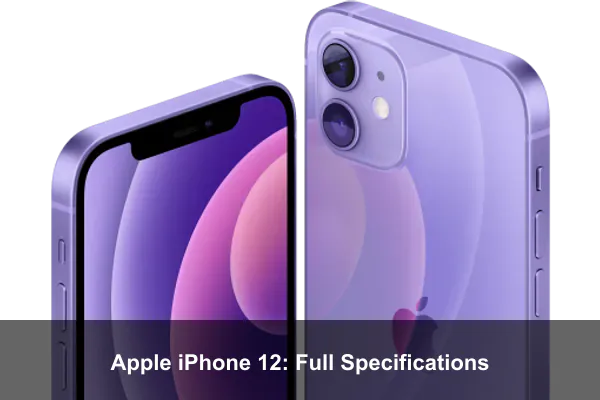
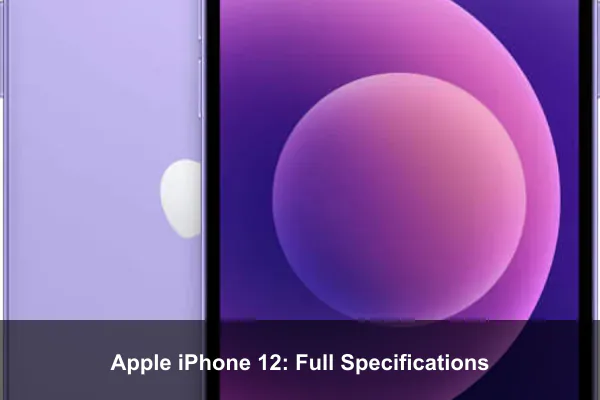
| Colors: | Black, White, Red, Green, Blue, Purple |
| Models: | A2403, A2172, A2402, A2404, iPhone13,2 |
| SAR EU: | 0.99 W/kg (head) 0.99 W/kg (body) |
| Price: | € 239.00 / $ 193.00 / £ 174.43 / ₹ 43,999 |
Our Tests
| Performance: | AnTuTu: 568674 (v8) GeekBench: 4067 (v5.1) GFXBench: 58fps (ES 3.1 onscreen) |
| Display: | Contrast ratio: Infinite (nominal) |
| Camera: | Photo / Video |
| Loudspeaker: | -24.4 LUFS (Very good) |
| Battery (old): | Endurance rating 84h |
Price and Availability
The Apple iPhone 12 offers a compelling combination of features and performance. While the base price is around €239, the actual cost may vary depending on your location and retailer. Below, you’ll find the approximate price of the Apple iPhone 12 converted into various currencies. Please note that these are estimates based on recent exchange rates as of June 18, 2026 and may not reflect the exact price you’ll find at a retailer.
- United States: $276
- Japan: ¥44,301
- United Kingdom: £207
- Australia: A$392
- Canada: C$388
- Taiwan: NT$8,750
- Denmark: kr1.784
- Saudi Arabia: ﷼1,035
- South Korea: ₩419,869
- Germany: €239
- Brazil: R$1.407
- Vietnam: ₫7.233.727
- Kenya: KSh 35,907
- India: ₹26,148
- Indonesia: Rp 4.907.212
- Nigeria: ₦374,703
- Pakistan: ₨76,793
- Philippines: ₱16,726
- Bangladesh: ৳৩৩,৮৮৬
Why the iPhone 12 Still Makes Sense as a Value Buy
The strongest argument for the iPhone 12 in the current market is price versus capability. At roughly $193 / €239 / £174 / ₹43,999 on the secondary market, it undercuts most new mid-range Android phones while delivering a flagship chipset, an OLED display and IP68 protection. Few phones at this price offer the same combination of build quality and guaranteed software longevity, which is exactly what makes it attractive to first-time iOS users and upgraders alike.
Design and Build Quality
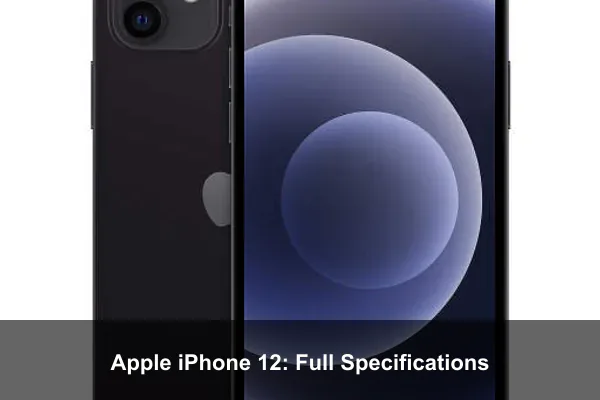
The iPhone 12 reintroduced the flat-edged industrial design that Apple has carried forward for several generations, so it still looks current rather than dated. Measuring 146.7 x 71.5 x 7.4 mm and weighing just 164 g, it is comfortably compact by modern standards. The glass front and back are wrapped in an aluminium frame, and the IP68 rating means it survives immersion up to 6 metres for 30 minutes. Six colour options, including Black, White, Red, Green, Blue and Purple, give buyers plenty of personality.
Display: Compact but Premium
Apple’s switch to a Super Retina XDR OLED panel was one of the biggest upgrades of this generation. The 6.1-inch screen runs at 1170 x 2532 pixels for a crisp 460 ppi, and Ceramic Shield glass adds meaningful drop resistance. With HDR10, Dolby Vision and a 1200-nit peak brightness, content looks vivid and outdoor visibility is solid. The one obvious omission is a high refresh rate; the panel is locked to 60 Hz, so scrolling feels less fluid than on newer ProMotion iPhones or 90/120 Hz rivals.
Performance That Has Aged Well
The A14 Bionic, built on a 5 nm process with a hexa-core CPU and 4-core GPU, was a genuine leader in 2020 and remains more than capable today. Benchmark figures such as an AnTuTu score around 568,000 and a GeekBench 5.1 result near 4,067 still outpace many current budget chips. For everyday apps, gaming and multitasking, 4 GB of RAM paired with fast NVMe storage keeps things smooth, which is a key reason the phone feels far from obsolete.
Cameras for Everyday Shooting
The dual 12 MP system covers a wide (f/1.6, OIS) and an ultrawide (f/2.4, 120˚) lens, a flexible setup for casual photography. Image quality is reliable in good light, with natural colour and strong HDR processing, while OIS helps in dimmer conditions. Video is a particular strength: the iPhone 12 records 4K up to 60fps and supports Dolby Vision HDR capture, which is still rare in this price bracket. The trade-off is the lack of a dedicated telephoto lens, so there is no optical zoom.
Battery and MagSafe Charging
A 2,815 mAh battery sounds small on paper, but iOS optimisation delivers an endurance rating of around 84 hours, enough for a comfortable full day of mixed use. Wired charging supports PD2.0 for a 50% top-up in 30 minutes, and the iPhone 12 was the debut of MagSafe, adding 15W magnetic wireless charging plus a growing accessory ecosystem. A later iOS update even enabled Qi2 wireless charging, extending its usefulness.
Software Support and Longevity
This is where the iPhone 12 truly separates itself from similarly priced Android phones. Shipping with iOS 14.1 and upgradable all the way to iOS 18.6, it has received years of feature and security updates well beyond what most rivals offer. For a value buyer, that translates into a phone that stays secure and compatible with new apps far longer, protecting the investment.
Connectivity and 5G
The iPhone 12 brought 5G to Apple’s standard model, with Sub-6 support globally and mmWave on US variants. It also includes Wi-Fi 6, Bluetooth 5.0, NFC and Ultra Wideband for precise device location. The notable quirk is the Lightning port running at USB 2.0 speeds rather than USB-C, so wired transfers are slow and charging requires Apple’s older cables.
Who Should Buy the iPhone 12
The iPhone 12 is ideal for buyers who want a genuine Apple experience without paying flagship prices, people upgrading from older iPhones, and anyone who values a compact, durable handset with long software support. Photographers wanting telephoto zoom or users craving a high refresh-rate screen should look higher up the range, but for everyone else it remains a smart, affordable choice.
Conclusion
Years after launch, the Apple iPhone 12 stands out as one of the best value entries into the iOS ecosystem. Its A14 Bionic performance, premium OLED display, capable cameras and exceptional software support easily justify its current price, even with the 60 Hz screen and slow Lightning port as caveats. If you want a reliable, future-proof iPhone for everyday use at a budget-friendly cost, the iPhone 12 is an easy recommendation.
